

A Smurfette figurine is the piece most people pull out of an old toy box first, and it is also the one with the most look-alike versions. Smurfette has been cast in PVC since the Schleich years of the 1960s, issued under licence by Bully in the 1970s, remade for three feature films, and turned into a Funko Pop. This page is her profile and her figure checklist in one place. The checklist below is built from figures we have photographed and checked against their foot stamps, so it grows as more Smurfettes pass across the desk.
- Created by
- Gargamel, who shaped her from clay to stir up jealousy among the Smurfs
- First appearance
- The Smurfette (La Schtroumpfette), serialized in Spirou magazine in 1966 and collected as the third Smurfs album in 1967
- Written by
- Peyo and Yvan Delporte, drawn by Peyo
- Transformed by
- Papa Smurf, whose treatment gave her long blonde hair, longer eyelashes and a shorter nose
- Role
- The only female Smurf in the village until Sassette arrived in the cartoon; later a lead character in the films
- Usual look
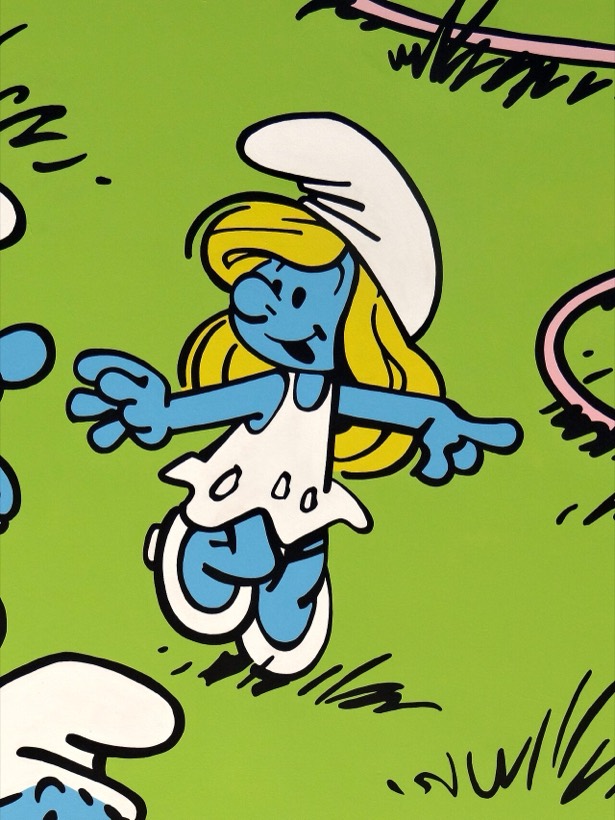
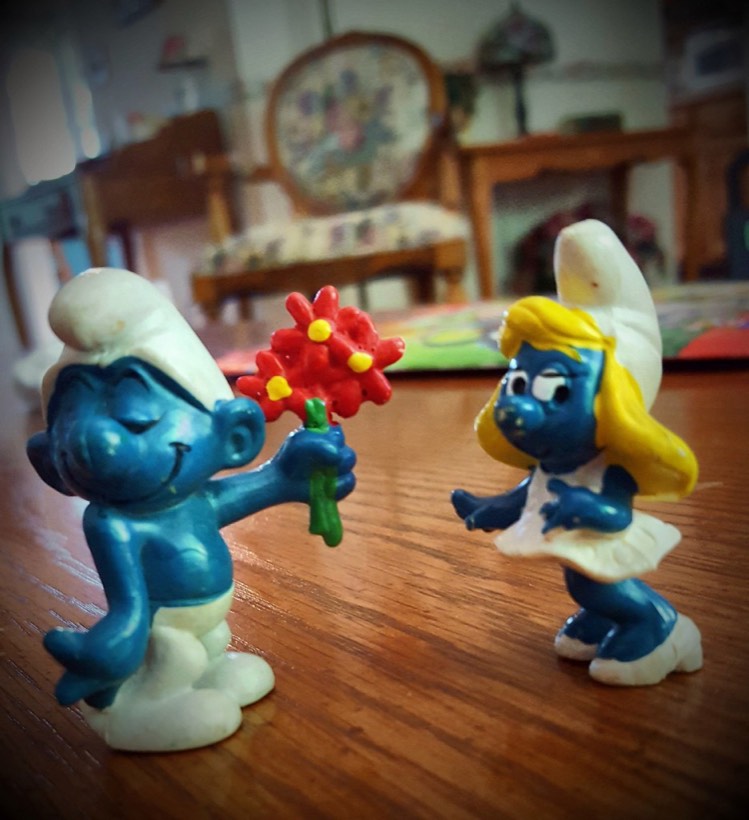
- Long wavy blonde hair, a white dress and white high heels
- Screen voices
- Lucille Bliss (1981 series), Katy Perry (2011 and 2013 films), Demi Lovato (2017), Rihanna (2025)
- Makers of figurines
- Schleich (Germany, since 1965 for the Smurf line), Bully (Germany, 1970s), Jakks Pacific (2017 film line), Funko (Pop vinyl)
Who is Smurfette?
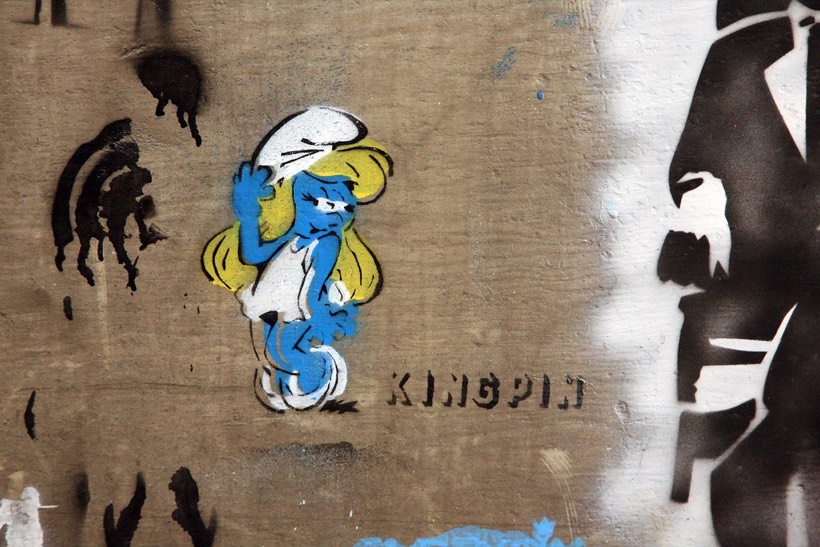
Smurfette did not start life as a Smurf. In the 1966 Spirou story that bears her name, Gargamel molds her out of clay and sends her into the village to set the Smurfs against each other. In the comic she is found in the forest by Hefty and brought home. The plan half works: the Smurfs squabble over her, then tease her until she is miserable. Papa Smurf steps in with what the English translation calls plastic smurfery, a multi-day procedure that leaves her with the long blonde hair, long lashes and small nose every figurine copies today. The story was written by Peyo with Yvan Delporte and collected as the third Smurfs album by Dupuis in 1967. For years she was the only girl in the village, which is why the 1981 cartoon leaned on her so heavily and why, as one historian put it, she became the most merchandised Smurf of all. Sassette, a Smurfling, joined her in the cartoon's fifth season, and Granny Smurf came later in the comics.
Which Smurfette figurines exist?
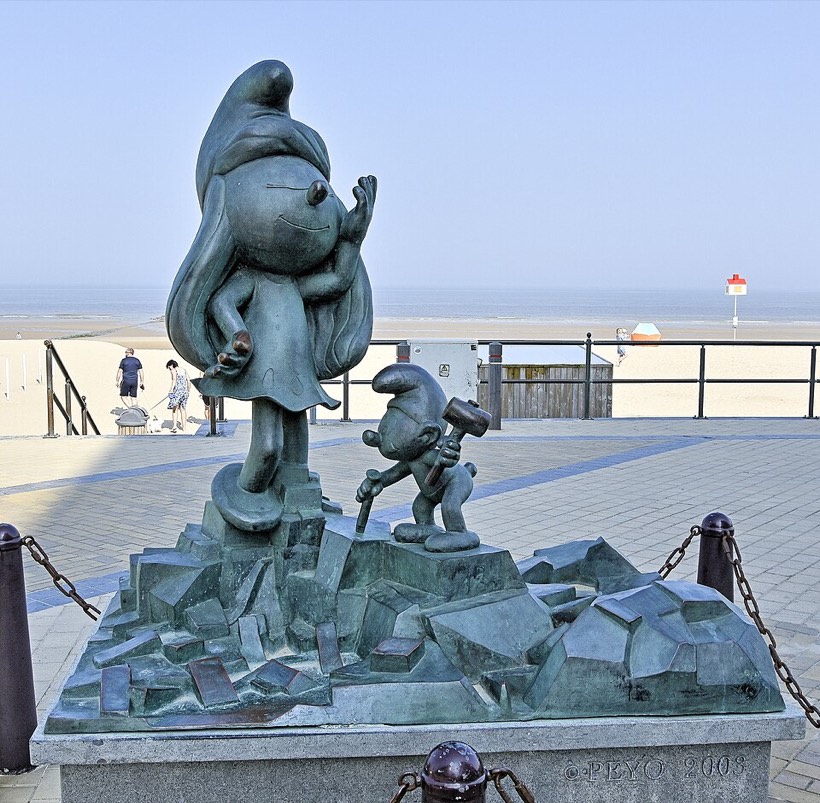

Think of Smurfette figures in five groups, because each group came from a different maker or licence and each is identified differently. First, the vintage PVC Smurfettes from Schleich and Bully, the German companies behind the original toy boom. Second, the Schleich releases of the 1990s and 2000s, when the line continued at a steadier pace and the painting moved to new countries. Third, the movie figures: the 2011 and 2013 live-action films, the 2017 animated Smurfs: The Lost Village, and the 2025 Paramount film, each of which brought its own licensed toys. Fourth, the Schleich Smurfettes of the 2010s up to 2025, which keep the classic 5 cm format but add seasonal and themed poses. Fifth, Funko and the other vinyl makers, which are a separate hobby with their own numbering. The sections that follow describe what sets each group apart. The photographed checklist near the bottom of the page lists individual pieces as they are verified.
What marks out a vintage Schleich or Bully Smurfette?
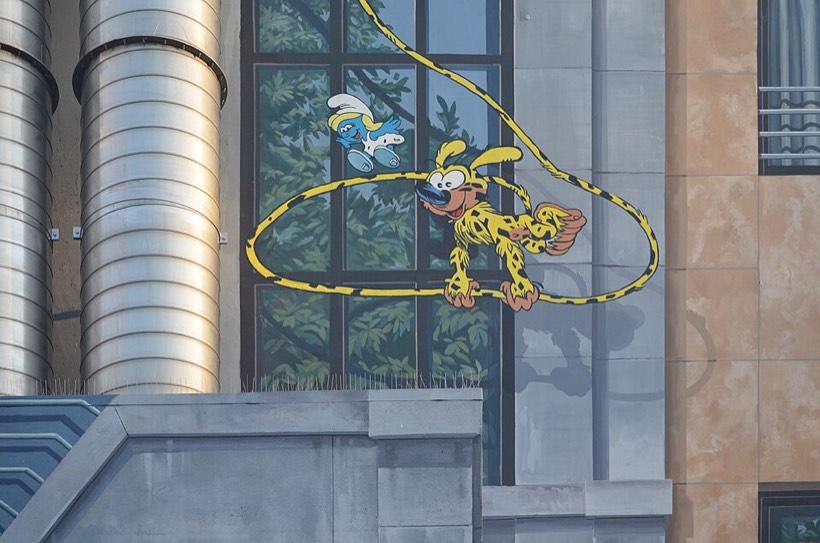

Schleich made the first mass-produced PVC Smurfs in 1965, and Smurfette joined the range once the comic made her a fixture. A vintage Smurfette from this era is small, solid, hand-painted PVC with a foot stamp naming Peyo and Schleich and a country of manufacture, most often W. Germany for European stock or Made in Hong Kong for figures sold in the United States, where the W. Berrie & Co. name appears alongside Schleich on the feet. Bully, a rival toymaker founded in Spraitbach in the early 1970s, also held a Smurfs licence, and Bully Smurfettes carry a Bully mark instead of the Schleich name. Museum collection records in Montreal hold Bully Smurfettes dated to the mid-1970s, including a ballerina pose, which gives you a feel for how early she appeared in the rival line. Expect paint wear on the hair and dress on anything from this period. Colored dots on the feet, added after a 1970s safety scare over Hong Kong production, show where the figure was painted rather than when.
How did Smurfette change in the 1990s and 2000s?
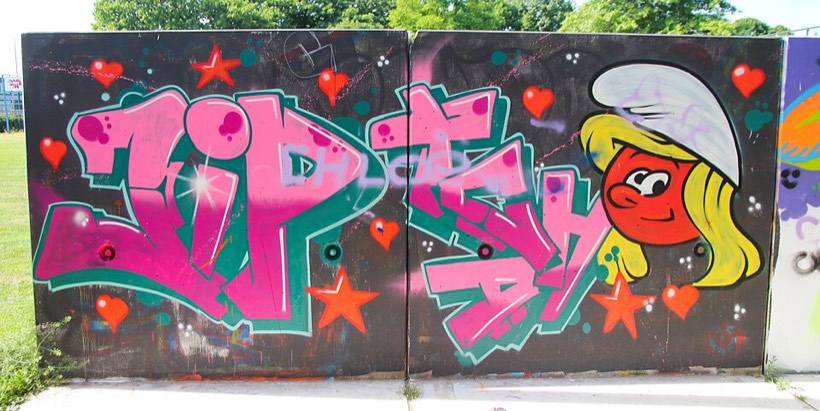

Schleich never stopped issuing Smurfs. The merchandising record shows new figures in every year since 1969 except 1991 and 1998, so a Smurfette from this stretch is usually one of a handful of fresh poses released alongside reissues of older sculpts. The giveaway is the stamp. Figures from these decades commonly read Made in Portugal, Made in Sri Lanka or Made in Macau, and later figures carry a CE mark that no 1970s figure has. Collectors also note that the painting on these pieces, especially the eyes and the hem of the dress, is usually crisper than on Hong Kong examples. Collectors treat the molded year as the first year of production for that sculpt, not the year their particular copy was cast, so a 1980s mold number on a Portuguese-stamped foot is normal, not a fake. Keep both the mold year and the country in mind when you match your figure against the checklist.
Which Smurfette figures came from the movies and The Lost Village?
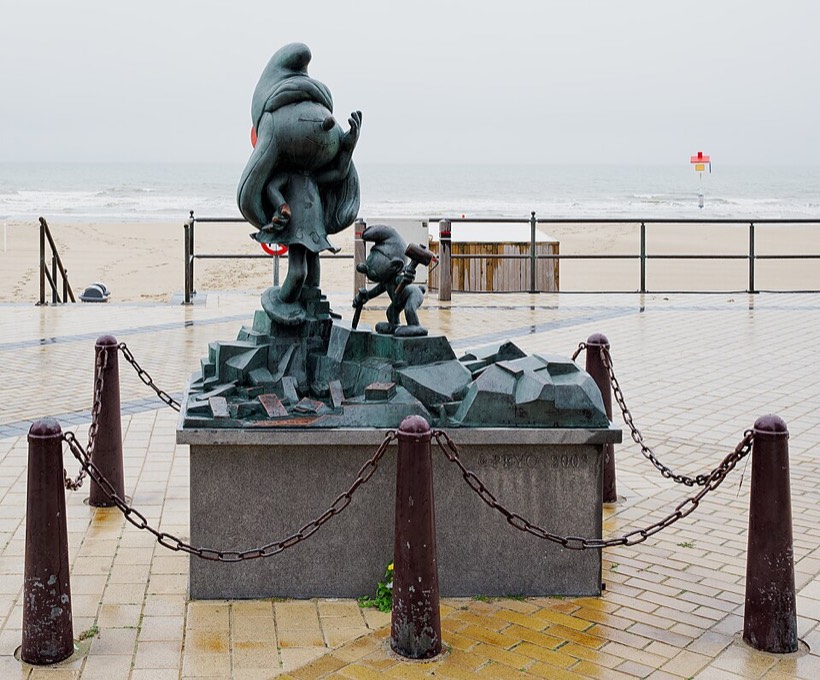

Three film cycles produced their own Smurfette toys, and none of them look like the Schleich figures. The 2011 live-action Smurfs film and its 2013 sequel, both from Sony Pictures Animation and Columbia, used a rounder, computer-animated design with Katy Perry's voice, and any figure with that face belongs to those films' licensing rather than to Schleich. In 2017, Smurfs: The Lost Village made Smurfette the lead character, voiced by Demi Lovato, and Jakks Pacific launched a global toy line on February 15, 2017, in partnership with Lafig Belgium and Sony Pictures Consumer Products. That range included Smurfette figurines, Smurf Mushroom House playsets and bean-bag plush, all in the film's redesigned style. The 2025 Smurfs film from Paramount Animation, with Rihanna as Smurfette, released in the United States on July 18, 2025, so any Smurfette in that design is a 2025-era piece with almost no sold history yet. Movie Smurfettes are plentiful and generally sit at the affordable end of the hobby, though a boxed Lost Village set can still take some finding.
What about Schleich Smurfettes from the 2010s to 2025, and Smurfette Funko?

Modern Schleich Smurfettes keep the classic proportions and the Peyo foot stamp but add props and seasonal outfits, a flower being the most familiar, with most of them around 5 cm tall. Wikipedia's merchandising article states that Schleich released about eight new figures a year through December 2025, though that line carries a citation-needed tag, so treat the end date as unconfirmed until Schleich says so. Then there is the smurfette funko. Funko announced a Smurfs Pop collection on June 2, 2024, with Smurfette with Flower as Pop number 1516, standing roughly 3.75 inches, alongside Vanity, Grouchy and Handy. A chase version puts her in a red dress and was packed at about one in six, which is why the red Smurfette is the one Pop collectors chase. Funko also issued a Smurfette Pocket Pop keychain in the same wave. Vinyl figures are a separate market from PVC: condition of the box matters, and the numbering is Funko's, not Schleich's.
How do you tell Smurfette versions apart?
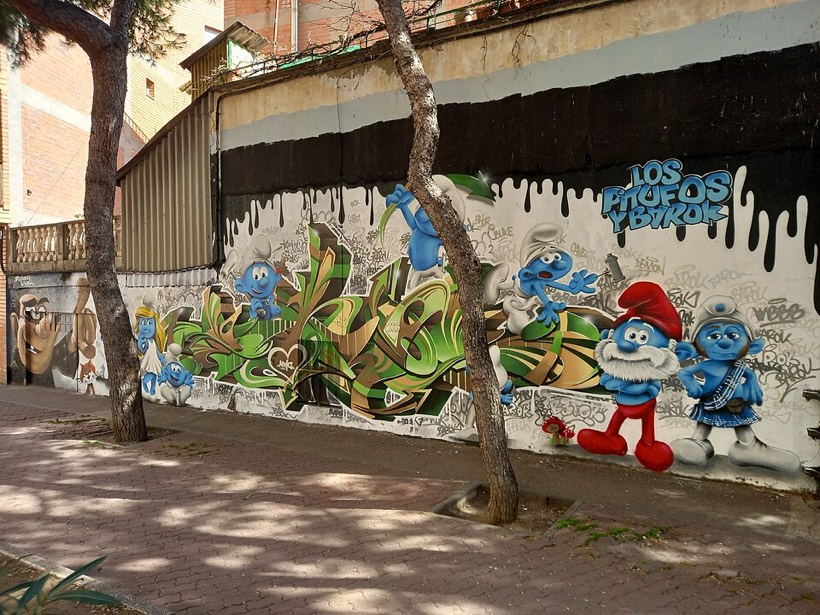

Start with the hair. Vintage sculpts give her a thick, almost helmet-like blonde wave; later Schleich pieces carve individual strands, and movie figures use a looser, wind-blown shape. Next the dress: the classic white frock with a scalloped hem is the default, so any colored dress, printed pattern or long gown points to a themed release or a chase variant, and a red dress on a vinyl figure means the Funko chase. Then the pose. A hand raised to the hair, a flower held out, arms folded or a dance pose each belong to a specific release, so note what she is holding and which arm it is in. Check the base: most Schleich Smurfettes stand on their own feet, while Funko and many film figures stand on a molded disc. Finally, turn her over. The foot stamp gives the maker, the copyright year, the country and sometimes a mold number, and reading it against the checklist settles most arguments. Missing marks and soft, blurry detail are warning signs of a copy.
Which Smurfette is rarest or most valuable?


Honest answer: no single Smurfette carries a documented record price the way a few early Smurf oddities do. Collectors report that the hardest Smurfettes to find are early Bully pieces in unusual poses and Schleich variants with non-standard paint, such as a different dress color or an unpainted test example, and that a clean W. Germany stamp and bright, unworn hair paint lift any vintage figure above a scuffed one. Among new pieces, the red-dress Funko chase is the one that attracts a premium over its standard sibling. We do not print asking prices from shops. Each row in the checklist shows a range of recent sold results in dollars and pounds with the date it was checked, and the price method page explains how those ranges are gathered and why asking prices are ignored. Until a figure has sold data behind it, its row says so rather than guessing.
Buying a Smurfette figurine today

If you simply want a Smurfette on the shelf, a current Schleich figure or the Funko Pop is the easy route: both are in production or recently were, and both are sold by mainstream toy retailers. For a vintage smurfette, buy from photographs that show the feet. A listing without a stamp photo leaves you guessing about the maker and the decade. Look for paint loss on the hair and the nose, which are the high points that rub first, and ask whether the white dress has yellowed, since PVC discolors with sun and smoke. Lots sold as job lots from a childhood collection are often the best value because sellers rarely sort the Smurfettes by version. Finally, compare what you are offered against the sold ranges in the checklist rather than against other sellers' asking prices, and expect UK and US prices to differ because the figures were distributed and stamped differently on each side of the Atlantic.
Figure checklist
Related characters

Papa Smurf · Vanity Smurf · Brainy Smurf
Sources
- https://en.wikipedia.org/wiki/Smurfette
- https://fr.wikipedia.org/wiki/La_Schtroumpfette
- https://en.wikipedia.org/wiki/The_Smurfs_(comics)
- https://en.wikipedia.org/wiki/The_Smurfs_merchandising
- https://en.wikipedia.org/wiki/Bullyland
- https://blueimps.com/smurf_markings.html
- https://collections.musee-mccord-stewart.ca/en/objects/287664/ballerine-smurfette
- https://en.wikipedia.org/wiki/The_Smurfs_(film)
- https://en.wikipedia.org/wiki/Smurfs:_The_Lost_Village
- https://toybook.com/?p=53428
- https://en.wikipedia.org/wiki/Smurfs_(2025_film)
- https://www.nickalive.net/2024/06/the-smurfs-funko-pop-collection-now.html
Editorial draft · Last reviewed 2026-11-04