
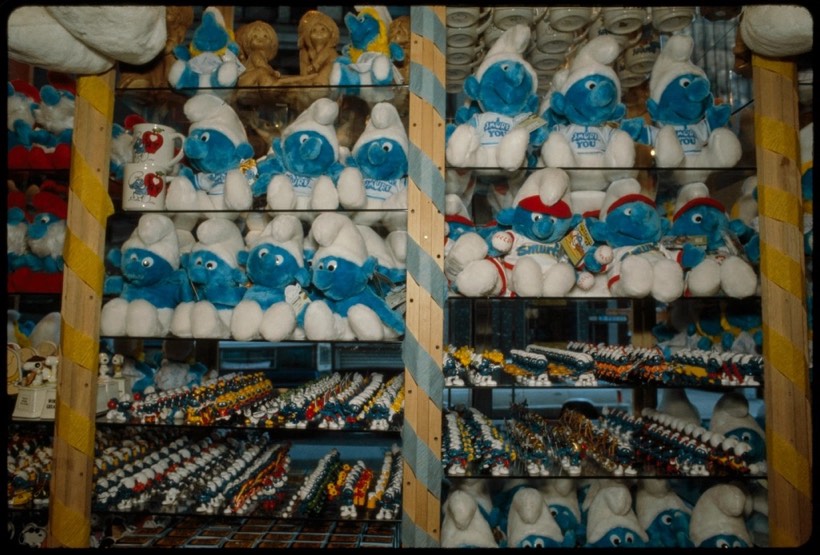
Knowing how to clean Smurf figures without harm comes down to one fact: a vintage Smurf is hand-painted soft PVC, and both the plastic and the paint are easier to damage than they look. This guide gives a gentle routine that collectors and conservation sources broadly agree on, explains why household shortcuts strip paint, and is honest about what cannot be undone. It applies to Schleich, Bully and the Hong Kong, Portuguese and Sri Lankan castings alike; if you are still working out what you own, start with how to identify and date vintage Smurfs.
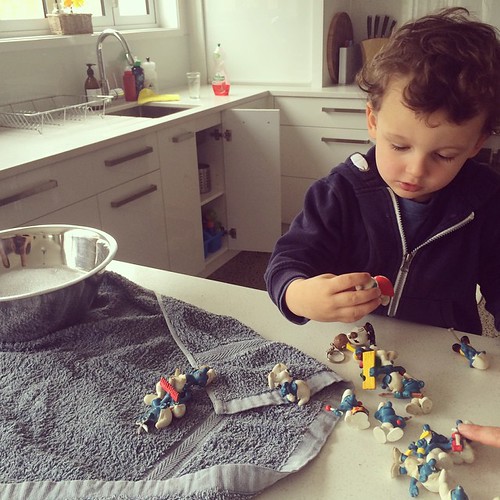
Why vintage PVC needs care
Smurf figures are injection-molded PVC that Schleich describes as painted by hand after molding; the colored dot on the sole of many 1980s figures records which paint shop did the work. Hand-applied paint sits on the surface of the plastic rather than in it, which is why noses, fingertips and tails rub through with ordinary handling, and why anything that abrades the surface takes paint with it.
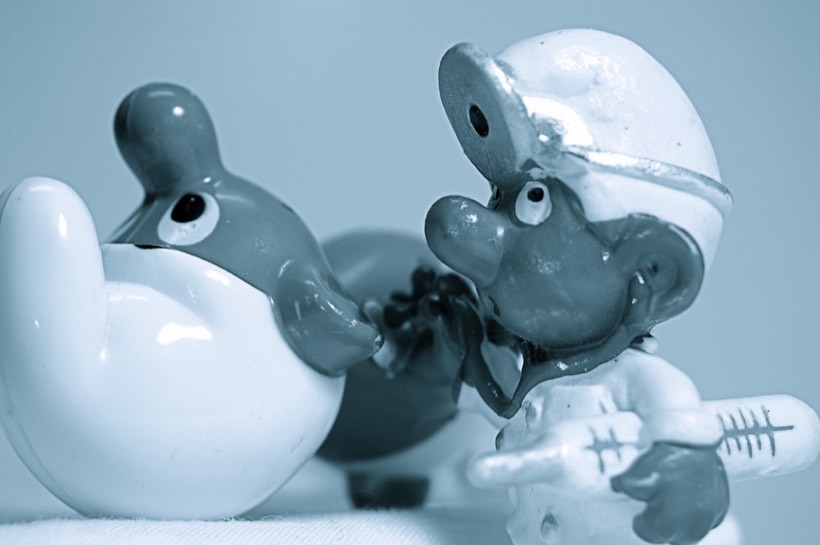
The plastic ages too. Flexible PVC contains plasticizers that keep it soft, and the Canadian Conservation Institute lists PVC among the plastics that develop sticky surfaces as those additives migrate outward. Ultraviolet light yellows PVC and makes it brittle, heat speeds every form of decay, and the plastic can release acid under prolonged moisture and light. Conservators describe most of this chemical damage as irreversible, so the aim of cleaning is to remove what sits on the figure, never to change the figure.
What you need
- Lukewarm water, never hot.
- A few drops of mild, unscented dish soap. Collectors warn that perfumed soaps leave a smell the PVC holds on to.
- A worn, soft toothbrush or a soft paintbrush.
- Cotton swabs and a lint-free or microfiber cloth.
- Distilled water for the final rinse if your tap water leaves mineral spots.
- A lamp and a magnifier.
How to clean a Smurf figure, step by step
- Dust it dry first. Brush loose dust away with the dry brush. Conservation guidance starts every plastic cleaning this way, and for a shelf figure it is often the whole job.
- Test a hidden spot. Roll a water-dampened swab on the underside of the base or the back of a leg. If color transfers, stop: the paint is unstable and the figure belongs in the "do not clean" list below.
- Wipe with water only. Work over the figure with a swab or cloth dampened in lukewarm water. Roll rather than scrub, and change swabs as they pick up dirt. Most grime comes off here.
- Add soap only where water failed. Mix a drop or two of soap into the water, dip the brush, shake off the excess and work it gently into creases: hat brim, armpits, between the fingers. Keep the pressure light enough that the bristles barely bend.
- Rinse thoroughly. Wipe with clean water until no suds remain. Soap residue attracts dirt and moisture; conservators and collectors both call it the most common mistake.
- Dry by hand. Blot with the cloth, then stand the figure on a towel at room temperature for a few hours. No hair dryer, radiator or sunny windowsill.
What never to use, and why
| Product | What it does to a painted PVC figure | |
|---|---|---|
| Acetone, nail polish remover, thinners | Conservation guidance calls acetone unacceptable for cleaning any plastic. Solvents soften the PVC surface and lift hand-applied paint. | |
 | ||
| Rubbing alcohol, window cleaner, degreasers | Milder solvents, but they still dull the surface and can smear paint. Conservators list them only as a last step for professionals. | |
| Melamine foam sponges ("magic erasers") | They clean by abrasion, like extremely fine sandpaper. On a figure that means a dull patch and thinner paint. Conservation guidance advises against abrasive cleaners and erasers on plastics. | |
| Bleach and hydrogen peroxide | Oxidizers that attack pigments and the plastic. The same guidance says never to use bleaches on plastics. | |
| Dishwashers and hot water | Conservators warn against any practice that heats a plastic object, and detergent plus spray pressure strips paint. | |
| Toothpaste, baking soda, oils and waxes | The first two are abrasive, however mild they feel; collectors report using whitening toothpaste on grubby white hats, but what it removes is plastic. Oils and waxes leave a film that holds dust and are on the conservation "never" list. | |
Dealing with stickiness
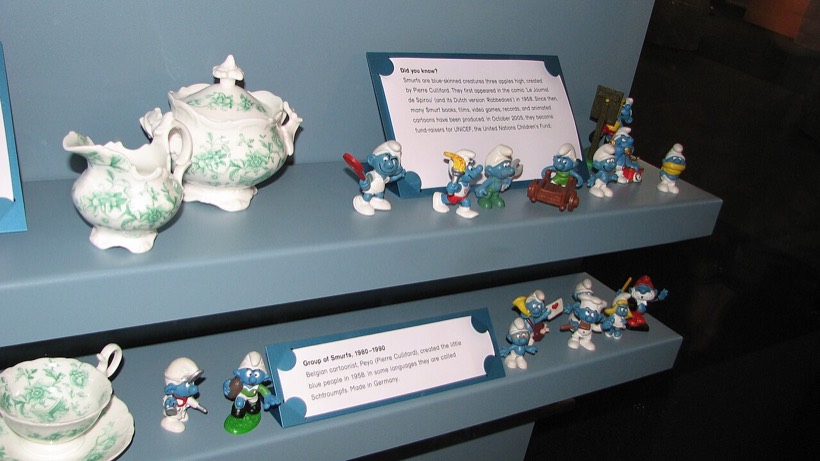

A tacky Smurf is not dirty; it is sweating. The film is plasticizer that has migrated out of the PVC, a sign of age rather than a spill. Recent research on PVC in museum collections found that gently removing the film carries a low risk of speeding further migration for most objects, and it stops dust bonding to the surface, which is hard to reverse. Wipe the film off with a swab dampened in water with a trace of soap, rinse, and dry. Expect it to return over months or years: nothing restores lost plasticizer, and conservation sources agree the underlying change is permanent. Cool, dark storage slows it. Keep a sticky figure from touching others, because the exudate can mark their paint.
Dealing with yellowing or discoloration
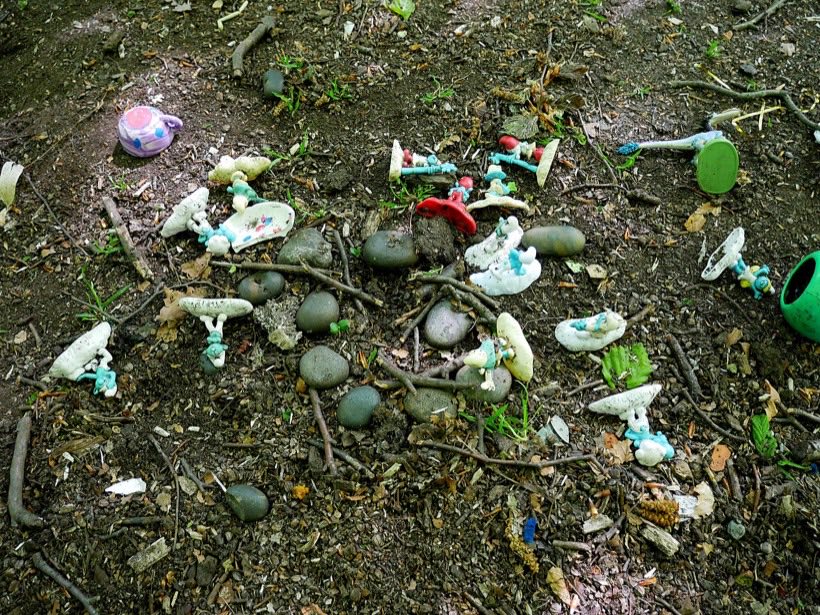
Be realistic. Yellowing on white hats and trousers is mostly a change inside the plastic, caused by ultraviolet light, heat or tobacco smoke, and collectors on the Blue Cavern and Bluebuddies forums report that washing does not restore the original white. Nicotine staining is described as permanent. Red and orange paint fades for the same reasons and does not come back.

Conservation and collector sources part ways over peroxide. The hydrogen-peroxide-and-UV process known from retro computer restoration was developed for ABS, not PVC, and even on ABS it has a documented record of the yellowing returning and the surface streaking; on a painted Smurf it also risks the paint. Conservators do not endorse it, some collectors swear by it, and for a figure with any value our position is to accept the color and store it so it gets no worse. A grubby figure, by contrast, often looks far whiter after the plain routine above, because surface grime does come off.
Cleaning the foot stamp without wearing it
The maker, country and year marks are molded into the soles in low relief, and a readable stamp is what dates the figure. Dirt packed into the lettering can make it easier to read, so photograph the stamp before you touch it. Clean the sole with a swab and water only, rolling across the lettering, and never use brush pressure, an eraser or anything abrasive: polishing the sole rounds off the relief, and once the small digits are gone they are gone. To read a faint stamp, hold a lamp low to one side for raking light rather than cleaning more. Our dating guide explains what each mark means.
Drying and storage
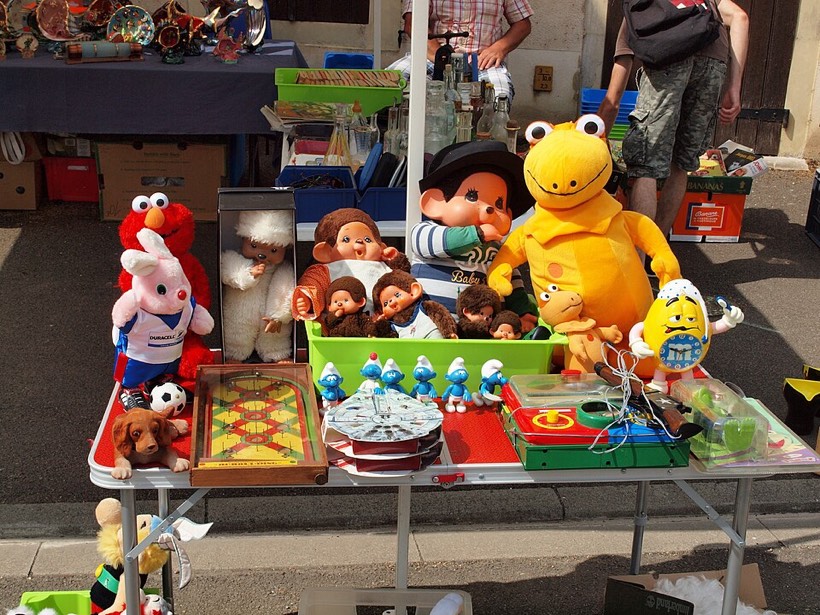

Storage does more for a collection than any cleaning. The conservation advice for plastics is short: no sunlight or ultraviolet light, low display light, cool and steady temperatures, moderate humidity. At home that means a closed cabinet away from windows, radiators and the kitchen, with no spotlights inside the case.
Contact matters too. Figures stored loose in one bag rub paint off each other, and a sticky or degrading figure can mark its neighbors, so give each figure its own space or interleave with an inert, non-stick sheet rather than paper or foam that could stick to a softening surface. Collectors often bag figures individually; conservation sources differ on fully sealed storage, so a closed but not airtight box is the safe middle ground. Keep rubber bands, tape and adhesive putty off the PVC.
When not to clean at all
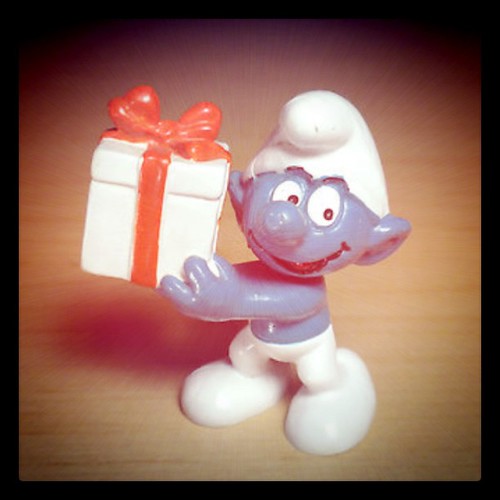
- Rare and prototype figures. Anything you suspect is a paint variant, a pre-production piece or a one-market release, including the figures on our rare Smurfs and most valuable vintage Smurfs pages, should stay exactly as found until it has been identified and photographed.
- Flaking or lifting paint. If the swab test lifts color, or paint edges stand proud, water will carry flakes away. Dust it dry or leave it.
- Cracked or crumbling plastic. Conservation guidance is that an object too fragile to clean carefully should not be cleaned.
- Figures you plan to sell. Many vintage-toy buyers prefer an untouched example with honest dust, so they can judge the original surface themselves. The Canadian Conservation Institute's view is that cleaning is often not worth the risk unless the object is going on display.
How cleaning affects value
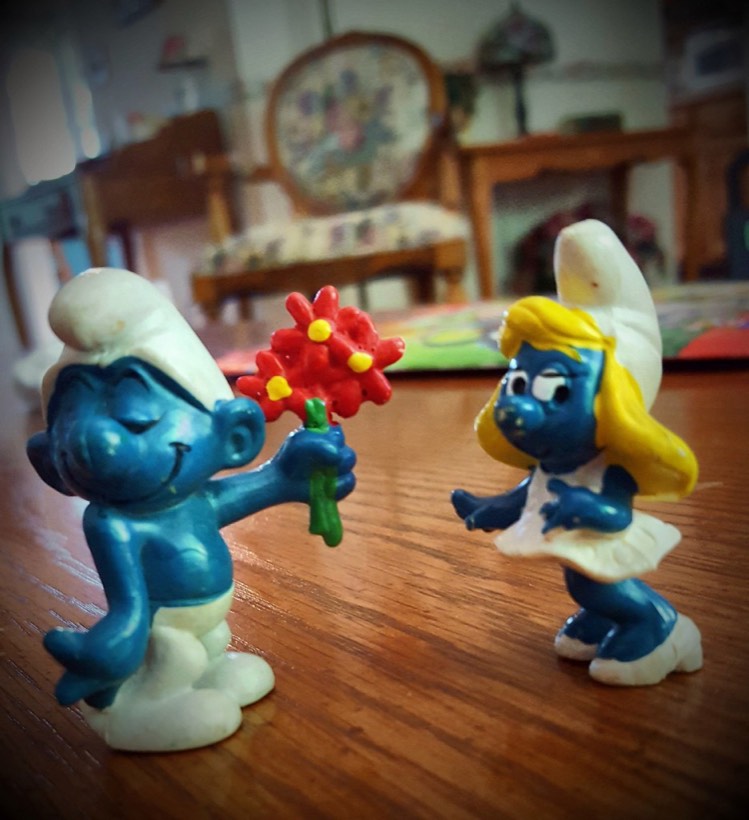
Condition is one of the biggest factors in what a vintage Smurf fetches: collector guides agree that a figure with rubs, marks or discoloration brings less than a mint one, and paint is central to that. Gentle cleaning that removes dust without touching the paint neither adds nor removes value; it lets a buyer see the condition the figure is really in. Cleaning that polishes the surface, thins the paint or softens the foot stamp lowers value, and repainting is a separate matter that reputable sellers disclose. The ranges on this site are for untouched figures graded as found; how we research values explains the grading and evidence behind each range, and the checklists on pages such as Papa Smurf and Smurfette show each condition tier.
Documented figures and values
Sources
- https://bluebuddies.com/smurf_figurines/caring_for_your_smurfs_and_cleaning_smurfs.htm
- https://bluebuddies.com/cgi-bin/ultimatebb.cgi/topic/1/2245.html
- https://forum.bluecavern.com/viewtopic.php?p=183843
- https://blueimps.com/smurf_markings.html
- https://blueimps.com/smurf_faq.html
- https://schleich-s-wwfo4gfqpdi.gorgias.help/how-are-schleich-figures-made-473499
- https://www.canada.ca/en/conservation-institute/services/preventive-conservation/guidelines-collections/caring-plastics-rubbers.htm
- https://www.canada.ca/en/conservation-institute/services/conservation-preservation-publications/canadian-conservation-institute-notes/care-rubber-plastic.html
- https://arxiv.org/abs/2501.05090
- https://en.wikipedia.org/wiki/Conservation_and_restoration_of_plastic_objects
- https://en.wikipedia.org/wiki/Retr0bright
- https://housedigest.com/949196/whats-the-magic-that-makes-a-magic-eraser-work
Editorial draft · Last reviewed 2026-11-04