
Every price range on Kitty’s Cavern follows the same rules, so a range on one page means the same thing as a range on any other. This page sets those rules out in full.
Identify before comparing
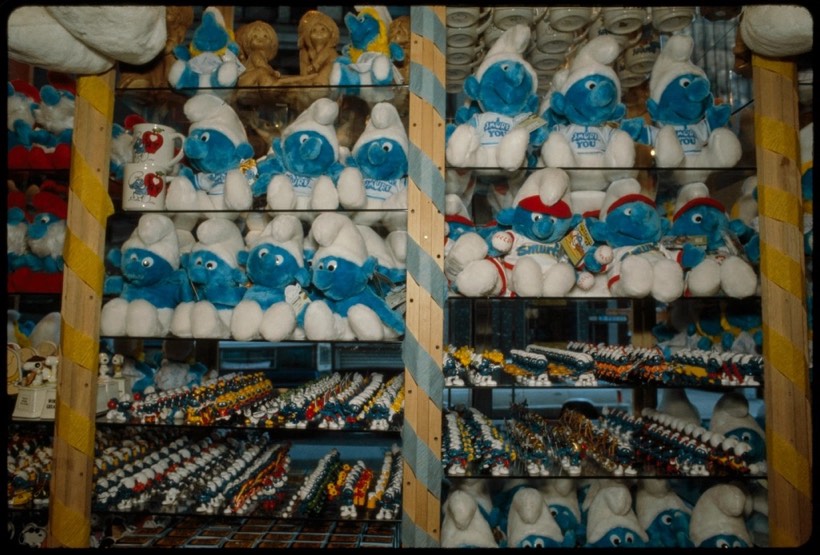
A price is only useful if it belongs to the figure in front of you. Before any sale is counted, the figure is matched on five points: the marks under the feet (maker, country, year and mold number), the pose, the accessories, the paint colors and the condition. A sale of a figure that differs on any of these points goes into a different sample or is left out. A Papa Smurf molded in West Germany in the 1970s and the same pose made in China decades later are two figures, not one, and they are priced separately.
Sold prices, not asking prices
Only completed sales count. An asking price tells you what a seller hoped for. A sold price tells you what a buyer paid. For each sale in a sample we record the listing address, the date the sale ended, the amount paid and the currency. Unsold listings, relistings and auctions that ended without a bid are excluded. Postage and taxes are kept out of the amount, because they vary from buyer to buyer and say nothing about the figure.
US dollars and British pounds, kept apart
Smurf figures sell in two large English-speaking markets, and prices in them do not move together. A US dollar sample and a British pound sample are therefore collected and published separately. No currency is converted into the other. A conversion would turn one sale into two numbers and make the sample look bigger than it is. If a figure has recorded sales in only one currency, only that range is shown.
What a published range contains
Each range states four things: the lowest recorded sale, the highest recorded sale, the number of sales in the sample and the date the sample was last checked. The low and high figures are the actual minimum and maximum of the recorded sales, not a trimmed or rounded estimate. Averages are not published, because with small samples an average hides more than it shows.
When a sample holds one sale, the entry is labeled “single sale.” One sale is evidence that a figure changed hands at that amount on that day. It is not a market range, and it should be read with that in mind.
What is excluded
- Mixed lots. A box of twenty figures sold together gives no price for any one of them.
- Best-offer sales with a hidden amount. If the marketplace shows that an offer was accepted but not what it was, the sale cannot be recorded.
- Repaints, restorations and customs. An altered figure is not the figure in the guide.
- Mismatched variants. A different paint variant, mold or maker is a different figure. It goes into its own sample or nowhere.
- Sales with unclear photographs. If the listing does not show the stamp or the details that identify the variant, the sale is not used.
Quarterly review
Samples are reviewed about every three months. On each review the sales are rechecked, new sales are added and sales that can no longer be verified are removed. The checked date shown beside a range is the date of the last real review, not the date the site was rebuilt. If a range has not been reviewed for a long time, the date will tell you so.

Public sold listings expire, so a private copy of each listing is kept at the time it is checked. Published ranges link to the public listing for as long as it lasts.
Why no range is a promise
A range is a record of what happened, not a forecast of what will happen. Samples are small, condition varies from figure to figure, and two buyers on two different days may want the same figure very differently. A rare variant can sit unsold for months and then sell twice in a week. Use the range to judge whether a listing is roughly in line with past sales, and use the sample size and checked date to decide how much weight to give it. Then look at the figure, the photographs and the stamp, because those are what the price depends on.